August 26, 2026

Insights for Hotel Leadership, Engineering & Operations The 2027 Hotel Budget: Where Maintenance, Guest Experience and Asset Strategy Meet Hotel budgeting has traditionally separated expenses into […]

HOSPITALITY RESOURCES
August 26, 2026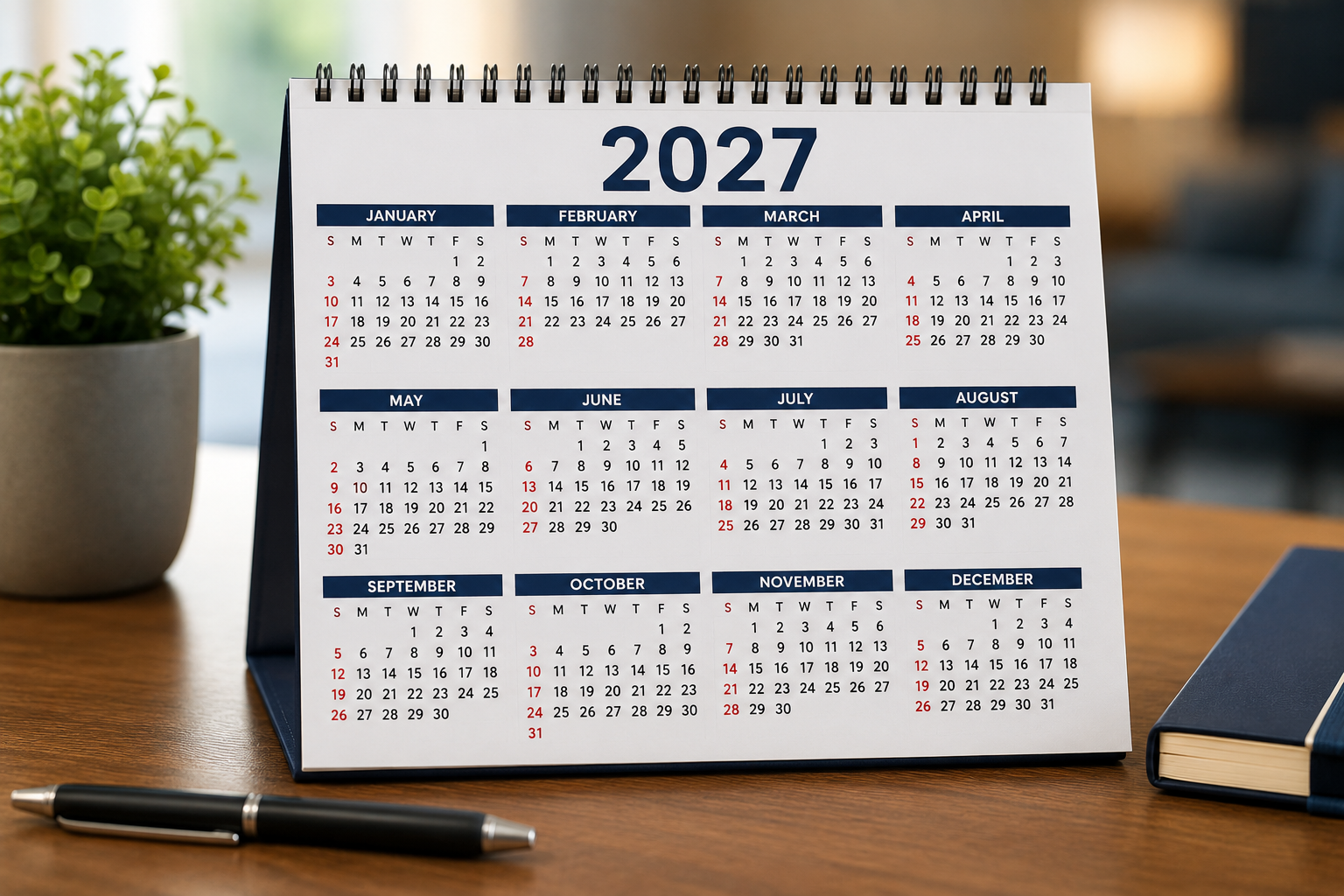
They have a planning problem.
Carpet cleaning gets scheduled when traffic lanes become impossible to ignore. Tile and grout gets attention before an inspection. Banquet chairs get cleaned before a major event. PTAC units make the list when buildup becomes noticeable. Marble restoration gets discussed when the lobby floor has already lost its appearance.
Each individual decision makes sense.
But together, they create a reactive approach to property maintenance.
There is another way.
An annual deep cleaning and preventative maintenance agreement with Renue Systems of Central Texas gives hotel teams the ability to plan specialized cleaning throughout the year—around occupancy, budgets, inspections, events, and the actual needs of the property.
Instead of asking:
“What do we need to fix right now?”
the conversation becomes:
“What should we do this year to keep the property performing?”
That is a much stronger position for any hotel.
Hotels already plan many aspects of their operations annually.
Budgets.
Staffing.
Sales goals.
Preventative engineering maintenance.
Renovations.
Capital expenditures.
Events.
Specialized deep cleaning deserves the same approach.
An annual agreement allows the hotel and Renue to identify priority areas, establish expected service needs, and create a maintenance strategy for the year.
That might include carpet deep cleaning during lower-occupancy periods, tile and grout restoration before peak season, PTAC cleaning in phases, marble restoration at planned intervals, or upholstery cleaning around ballroom and meeting schedules.
The exact plan should reflect the property.
The important part is that there is a plan.
Emergency maintenance is difficult to budget.
Planned maintenance isn’t.
When hotel leadership understands its expected deep-cleaning and restoration needs in advance, those expenses can be incorporated into the annual operating budget instead of appearing unexpectedly throughout the year.
That gives GMs, engineering teams, and ownership greater visibility into upcoming property expenses.
It also creates an opportunity to prioritize.
Not everything needs to happen at once.
An annual program can distribute projects throughout the year based on condition, urgency, occupancy, and available budget.
Predictability is one of the biggest advantages of preventative maintenance.
Timing matters enormously in hospitality.
A hotel doesn’t want a major carpet project during a sold-out week.
A ballroom shouldn’t be unavailable immediately before an important event.
Guestroom maintenance needs to coordinate with room inventory.
PTAC cleaning may need to move through the property in blocks.
Exterior projects may need to account for weather and guest traffic.
An annual relationship creates more opportunity to plan these services around the hotel’s operating calendar.
Renue can work with property leadership to identify better maintenance windows rather than waiting until a condition becomes urgent and scheduling options become limited.
The result is less disruption and greater operational control.
This may be the biggest advantage of all.
Reactive maintenance begins when something looks bad.
Preventative maintenance begins while the asset is still in good condition.
That distinction matters.
Carpet that receives professional maintenance before severe soil accumulation may be easier to preserve.
Grout that is periodically deep cleaned may not reach the same level of discoloration.
Natural stone maintained appropriately may retain its appearance longer.
Upholstery addressed periodically may avoid years of accumulated soil.
PTAC units included in a regular deep-cleaning schedule aren’t forgotten until buildup becomes significant.
Preventative maintenance isn’t about cleaning things that don’t need cleaning.
It’s about intervening at the right time.
Hotel assets are expensive.
Carpet.
Furniture.
Stone.
Flooring.
PTAC units.
Guestroom furnishings.
Replacing these assets throughout an entire property can represent a significant financial investment.
An annual maintenance program helps shift the conversation from replacement to preservation.
Before an asset reaches the replacement list, ask:
Can we maintain it better?
Can we professionally clean it?
Can we restore it?
Can we extend its useful life?
Sometimes replacement will still be the correct answer.
But when professional maintenance can help an asset remain in service longer, the hotel gains additional value from an investment it has already made.
One of the challenges with reactive deep cleaning is inconsistency.
The lobby gets attention because guests see it immediately.
Then the corridors begin looking tired.
The corridors get cleaned, but banquet chairs still need attention.
The ballroom improves, but bathroom grout has gradually become discolored.
Maintenance becomes a cycle of addressing whichever area currently looks worst.
An annual plan allows leadership to look at the whole property.
Guestrooms.
Corridors.
Public areas.
Meeting spaces.
Ballrooms.
Restaurants.
Bathrooms.
Exterior areas.
Back-of-house spaces.
Instead of constantly chasing the next visible problem, the hotel can create a more consistent maintenance standard across the property.
Inspection preparation shouldn’t begin a few weeks before the inspection.
A hotel that is consistently maintained throughout the year is already in a much stronger position.
An annual deep-cleaning program can help prevent a long list of accumulated projects from suddenly appearing when an inspection date approaches.
Instead of scrambling to address carpets, tile, grout, upholstery, PTAC units, floors, and public spaces simultaneously, hotel teams can focus on final details.
The best inspection preparation happens before anyone announces the inspection.
An annual Renue agreement isn’t about replacing hotel engineering or housekeeping teams.
It is about giving them specialized support.
Housekeeping has daily responsibilities.
Engineering has preventative maintenance schedules, repairs, equipment, work orders, inspections, and countless other priorities.
There are projects neither team should have to absorb simply because they happen inside the hotel.
Specialized carpet extraction, stone restoration, tile and grout deep cleaning, large-scale upholstery projects, PTAC deep cleaning, and other intensive services require time, equipment, and expertise.
An annual partnership means hotel teams know who to call—and already have a relationship in place when specialized help is needed.
There is significant value in continuity.
When a service provider works with a hotel consistently, the relationship changes.
The team begins learning the property.
Which corridors receive the most traffic?
Which areas develop recurring problems?
Which ballrooms have the busiest schedules?
Which surfaces require special care?
Where are the recurring stains?
Which guestrooms or areas have historically required additional attention?
What does engineering care most about?
What standards does leadership expect?
That knowledge makes future planning more informed.
Instead of starting from zero every time a service is needed, the hotel has a partner who already understands the property.
Hotels don’t operate at the same pace all year.
There are busy seasons.
Wedding seasons.
Conference schedules.
Holiday periods.
Large groups.
Local events.
Brand inspections.
Annual agreements allow specialized cleaning to be coordinated around those dates.
Ballroom carpets and banquet chairs can be addressed before major event periods.
Guest-facing areas can receive attention ahead of peak occupancy.
Exterior surfaces can be scheduled strategically.
Guestroom projects can be completed during lower-demand windows.
Maintenance becomes part of operational planning instead of an interruption to it.
Hotel properties have many different maintenance needs, and managing multiple vendors can create additional administrative work.
Renue Systems of Central Texas provides specialized services across the property, including:
Instead of finding a new provider every time a different need appears, hotel leadership can work with a hospitality partner that understands multiple areas of the property.
This is an important distinction.
An annual maintenance agreement isn’t one enormous cleaning project.
The real advantage is the ability to phase work strategically.
A property might prioritize guestrooms during one period, public areas during another, exterior cleaning seasonally, PTACs in room blocks, and ballroom or meeting-space work around event schedules.
The program can be built around the hotel’s needs instead of forcing the hotel into a rigid schedule.
That flexibility matters in an industry where occupancy and operational priorities can change quickly.
Every property is different, so the first step should be an assessment.
Walk the hotel.
Review asset conditions.
Talk with engineering.
Talk with housekeeping.
Consider guest feedback.
Look at upcoming inspections.
Review the event calendar.
Identify recurring maintenance issues.
Then divide property needs into four categories:
Clean. Restore. Maintain. Replace.
Renue can then help identify which specialized services should become part of the annual maintenance plan and when those services make the most operational sense.
There will always be unexpected needs in a hotel.
But specialized deep cleaning shouldn’t have to be one of them.
An annual agreement with Renue Systems of Central Texas gives hotel teams something much more valuable than a collection of cleaning appointments.
It creates a relationship.
A plan.
Greater budget visibility.
A more preventative approach.
A partner who learns the property.
And a strategy designed to protect the hotel’s assets throughout the year.
The question isn’t simply how much your hotel will spend on deep cleaning next year.
The better question is:
How much more effectively could those dollars work if the entire year were planned in advance?
That’s where an annual partnership changes the conversation.
Don’t wait for the property to tell you something needs attention. Plan ahead, protect your assets, and keep your hotel ready all year long with Renue Systems of Central Texas.